
FAWEZA Supports 400 Girls, Boys with Bursaries
 Samuel C.C Mwanakatwe
Posted On October 19, 2025
Samuel C.C Mwanakatwe
Posted On October 19, 2025
By James Kunda and Perdita Chenjela
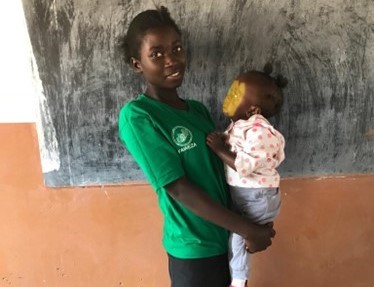
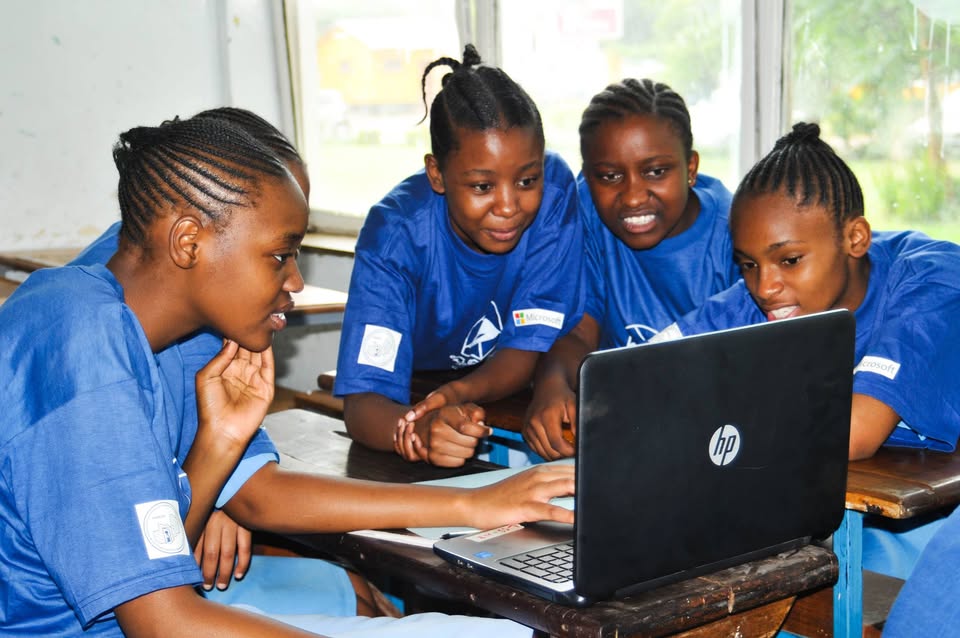
The Forum for African Women Educationists Zambia (FAWEZA) has supported 400 girls and boys across the country through two bursary co-hosts aimed at supplementing the government’s efforts to increase access to education. FAWEZA Executive Director Constern Kanchele said that this support was in partnership with the Mastercard Foundation’s bursary programme, which provided educational opportunities to young people from vulnerable background’s including those from rural communities, low-income households, refugees, and persons with disabilities.
‘Eighty percent of this support is deliberately directed towards the girl child, recognising the disproportionate barriers girls face in accessing education.
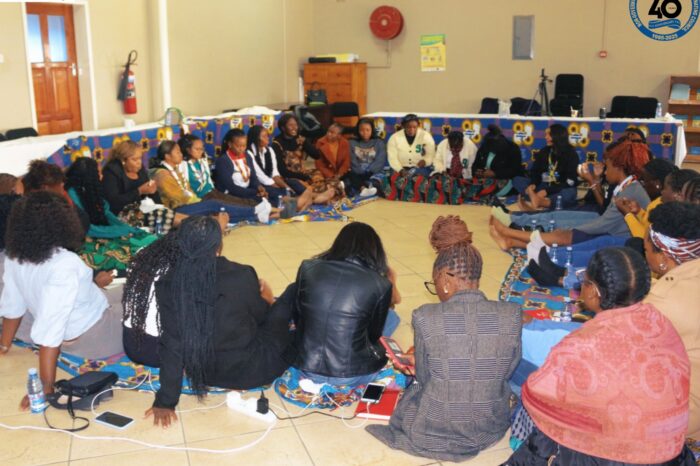
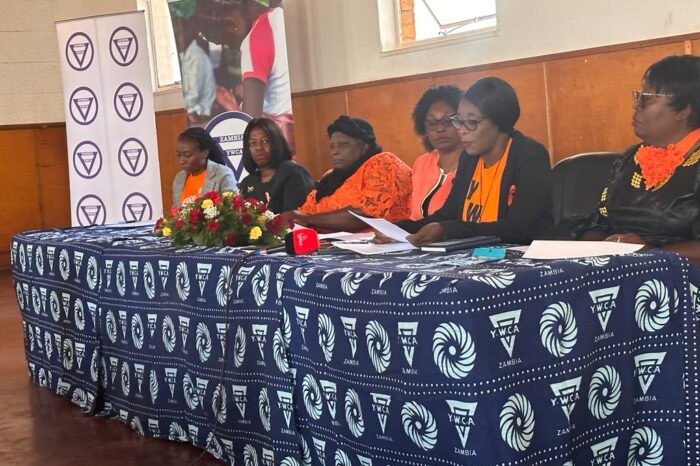
The remaining 20 percent supports boys because true gender equality requires that we bring everyone along,’ Mr Kanchele said this in a speech read on his behalf by FAWEZA programmes manager Ivy Mutale, during the commemoration of the Girl Child in Lusaka over the weekend. Mr Kanchele noted that the occasion’s theme,’ The Girl I am, the change I lead Girls on the frontline of crisis’, underscored the potential and resilience of girls, as well as their transformative power to shape a better future for communities and the nation.
Girls are not merely victims of crises, they are leaders within them, whether facing the effects of climate change, navigating displacement, overcoming barriers to education or championing social change, girls are standing on the frontlines, not as bystanders, but as change-makers,” he said. He added that education was the most powerful tool to unlock the potential of every girl, and that the bursary support from Mastercard was more than just financial aid; it was an investment in leadership, innovation, and social transformation.
Some of the beneficiaries were pursuing careers in Science, Technology, Engineering, and Mathematics (STEAM), among other fields. ‘To our current and future bursary recipients, I urge you to remember that this support is not just a gift, it is a call to leadership. Use your education not only for personal success but to uplift your families, transform your communities, and influence the future of our nation,” he said.
Care for Nature Zambia (CNZ) Executive Director Kearns Nsama acknowledged the importance of empowering the boy child for a brighter future but chose to highlight some of the particular challenges faced by girls, especially those in rural areas and across Africa.
“Amid the climate crisis where droughts and floods devastate communities’ girls become especially vulnerable to hunger. This often compels them to search for food in distant forests or engage in behaviours that expose them to sexual violence. Poverty also forces many girls into early marriages. Additionally, extreme heat and water shortages lead girls into walk long distances in search of water,” he said
MADRAP Executive Director Lyoka Liyoka urged concerted efforts to address barriers limiting access to sexual and reproductive health and rights services, which put young people at risk. He cited a study by the organisation that revealed, out of 16,419 reported pregnancies among girls in primary and secondary schools in 2020, only 7,954 girls were readmitted to school.
“Without clear policies, adequate services and stronger investment, more girls will be denied their right to education and essential services,” he said. Zambia National Education Coalition (ZANEC) Executive Director George Hamusunga acknowledged that girls continued to demonstrate courage and innovation as they championed climate justice and social inclusion. “Girls must not only be seen as beneficiaries of policies but as key partner and leaders in shaping Zambia’s future,” he said.
Source: Times of Zambia Newspaper

You may also like