
Policies Should be in Black and White for Easier Compliance – Mary Mulenga
 Samuel C.C Mwanakatwe
Posted On April 27, 2026
Samuel C.C Mwanakatwe
Posted On April 27, 2026
By Chibesa Cecilia Mungulube
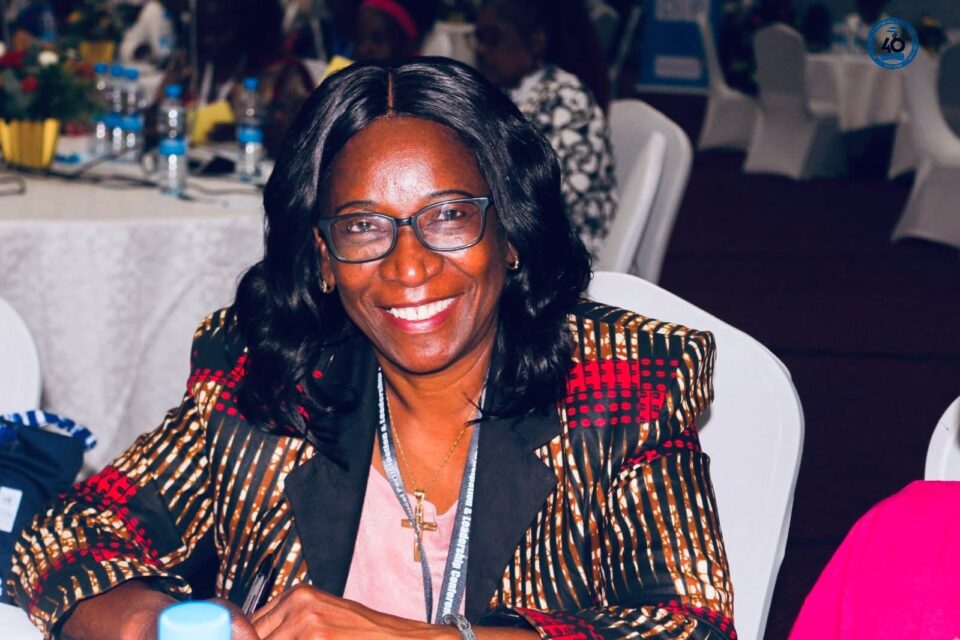
Former NGOCC Board Chairperson, Mary Mulenga, has disclosed that documentation of policies and guidelines is critical, noting that without clear, written rules and penalties, it is difficult to enforce compliance and hold institutions accountable.
Speaking on a panel discussion at the close of the three-day conference on accelerated women’s political participation and leadership, Ms. Mulenga observed that while Zambia has made commitments through national policies and international frameworks on gender equality, implementation remains weak.
Ms. Mulenga expressed concern over delays in enacting key reforms, including the political party law, which has been under discussion since 2017. She said such delays hinder progress in strengthening accountability and governance within political institutions.
She further called on political parties to take responsibility for the conduct of their members by ensuring that internal rules are enforced and misconduct is addressed decisively.
Meanwhile, Ms. Mulenga noted the importance of mentorship and leadership succession, urging current leaders to intentionally prepare younger women to take up leadership roles.
She added that effective leadership requires planning continuity to avoid gaps, adding that mentoring emerging leaders is key to sustaining progress in women’s political participation.
And Gender Division Permanent Secretary Ms. Mainga Kabika has called on political parties to take deliberate and practical steps to increase women’s participation in politics.
Ms Kabika urged political stakeholders to act on submissions made during the meeting by reviewing internal party policies and regulations to promote inclusivity.
She emphasized that political parties have a critical role to play in ensuring that women are given equal opportunities to participate in governance and decision-making processes.
Ms Kabika further stressed the importance of translating dialogue into tangible outcomes, including increased representation of women in Parliament.
The Permanent Secretary expressed gratitude to cooperating partners who supported the conference, including the United Nations Development Programme (UNDP) and the governments of Denmark, Ireland, the Republic of Korea, and the United Kingdom.
She noted that partnerships remain key in advancing gender equality and supporting initiatives aimed at empowering women in political leadership.

You may also like